Creating a Luxury Experience at a Bar With Private Room
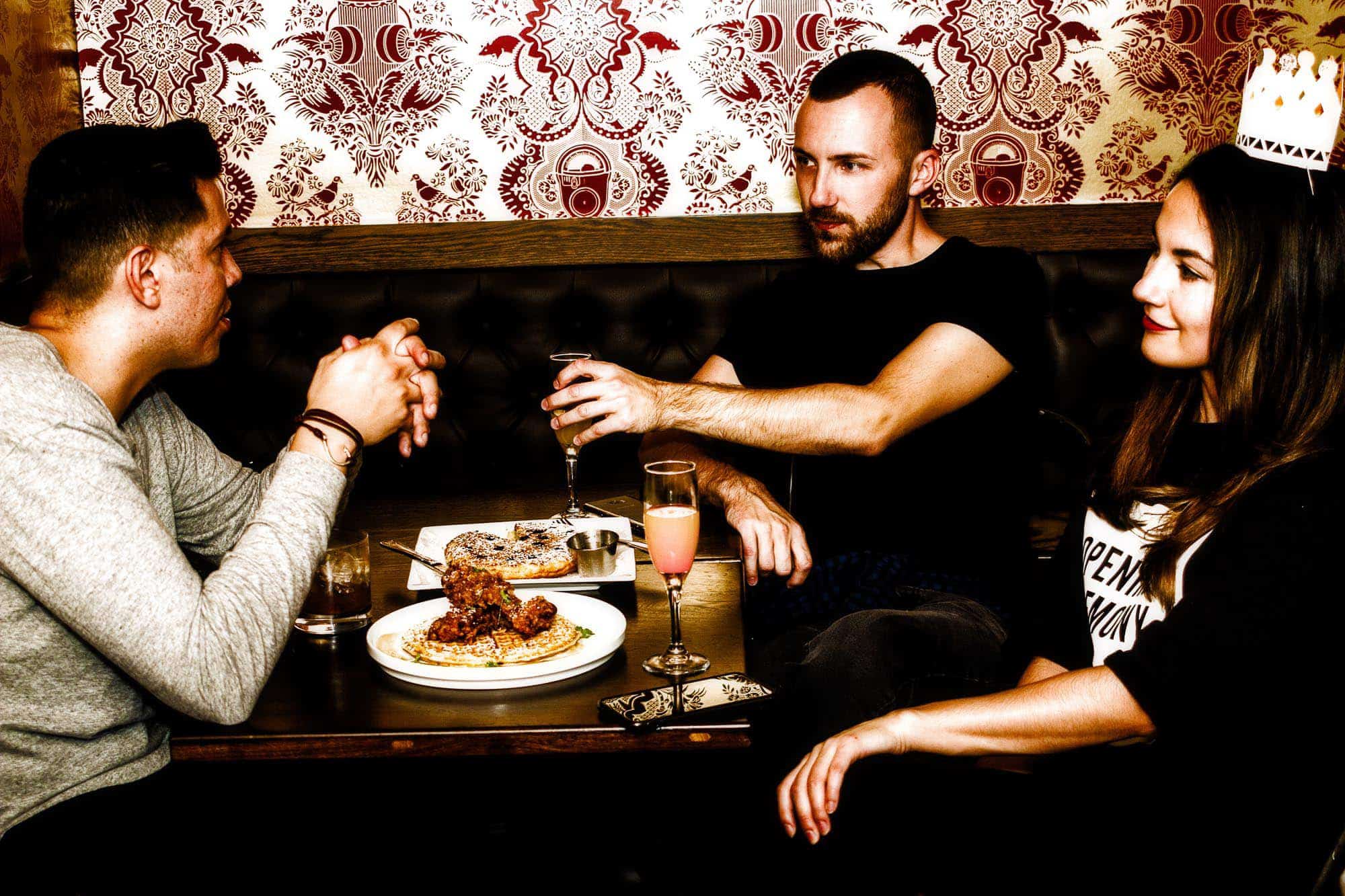
Luxury in hospitality is often misunderstood. People picture expensive finishes, rare bottles, and dramatic lighting, then stop there. Those elements matter, but they are only the visible layer. In a bar setting, especially in a Bar With Private Room, luxury is really the feeling of being anticipated, protected from friction, and free to enjoy the moment without managing it. Guests may not remember the thread count of the banquette upholstery or the exact vintage of the Champagne. They will remember whether the room felt calm, whether the service moved with confidence, and whether every detail seemed to happen at exactly the right time.
That distinction becomes sharper in a private setting. A main bar can thrive on energy, chance encounters, and a little bit of noise. A private room operates by a different standard. It is not there to simply isolate a party from the crowd. It is there to create a more controlled, more personal, and often more profitable version of hospitality. When done well, it can host a milestone birthday that feels intimate rather than staged, a client dinner that lands the account, or a wedding after-party that keeps everyone talking for weeks.
The challenge is that private-room luxury cannot be improvised. It has to be built into the room, the service model, the beverage program, the timing, and the staff mindset. Small mistakes become larger in a closed environment. If the music is off, the room feels wrong. If the cocktails arrive slowly, everyone notices. If one guest with dietary restrictions is handled awkwardly, the tension sits in the room. By contrast, when the experience is elegant and invisible, guests relax into it almost immediately.
What guests actually mean by luxury
Most guests do not use the word luxury with precision, but their expectations are surprisingly consistent. They want privacy without feeling hidden away. They want attentive service without interruption. They want a room that feels special without becoming theatrical. Above all, they want ease.
Ease has many moving parts. The booking process should be smooth. The confirmation should answer questions before they are asked. Arrival should feel guided rather than procedural. The room should be at the right temperature. Seating should make conversation natural. Glassware should be polished. The drinks should arrive fast enough to sustain momentum, but not so fast that the table feels crowded. This is the kind of craftsmanship that guests rarely describe outright, yet it defines whether they perceive a venue as refined or merely expensive.
I have seen private rooms with spectacular finishes underperform because management treated them as static assets rather than living service environments. Velvet walls and marble tabletops cannot rescue a room with poor acoustics or a team that disappears for fifteen minutes at a stretch. On the other hand, I have seen relatively modest rooms feel deeply luxurious because the operator understood pacing, comfort, and hospitality psychology. A room does not need to shout wealth. It needs to make people feel considered.
The room sets the promise before the first drink arrives
A private room announces its quality https://knoxzohy942.almoheet-travel.com/bar-with-private-room-advantages-for-exclusive-social-gatherings in the first ten seconds. That first impression is not only visual. It is spatial and emotional. Guests register whether the room feels hushed or hollow, warm or stale, intimate or cramped. They notice the scent, the light level, the distance between chairs, the reach to the table, and the amount of elbow room once drinks and food arrive.
Layout is usually the first place where luxury succeeds or fails. A room designed for twelve should not be sold for sixteen just because sixteen chairs physically fit. Tight spacing creates service collisions, forces awkward body language, and makes conversation more work than pleasure. True luxury protects personal space. It gives every guest a comfortable sightline and enough room to enter and exit their seat without creating a scene.
Lighting deserves the same seriousness as the spirits list. Many bars get this wrong by relying on a single mood, usually too dim for menus or too bright for atmosphere. A luxury private room benefits from layered lighting. Soft ambient light should flatter the room, task lighting should support menus and food, and some degree of adjustability should exist for different moments of the evening. Corporate presentations, anniversary dinners, and cocktail-led birthday gatherings all require different settings. Flexibility reads as sophistication because it allows the space to serve the occasion rather than forcing the occasion to adapt to the space.
Acoustics are another hidden differentiator. Guests will forgive many flaws before they forgive having to shout. Hard surfaces may look striking, but they can turn a private room into an echo chamber. Upholstered seating, drapery, wall treatments, and strategic ceiling materials do more for perceived luxury than many decorative upgrades. In practical terms, the value is simple. If guests can speak at a natural volume and still hear each other clearly, they stay longer, drink more comfortably, and leave happier.
Privacy should feel intentional, not isolated
The phrase Bar With Private Room attracts people for several reasons, and privacy means different things to each of them. For a business group, privacy often means confidentiality and low distraction. For a celebration, it means freedom to be lively without feeling watched. For a high-value social occasion, it may simply mean status, the feeling of having a dedicated world within the venue.
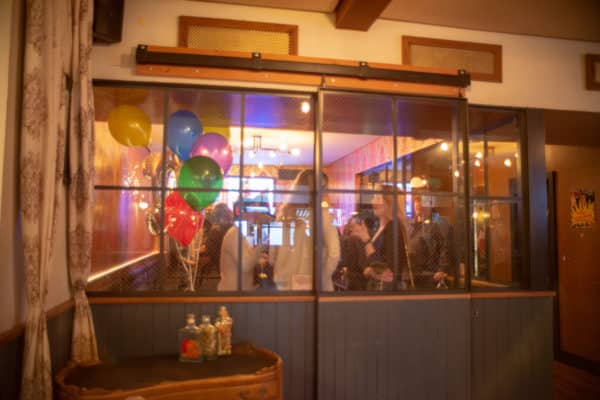
A private room should meet those emotional needs while remaining connected to the overall operation. If the room feels detached from the life of the bar, it can become flat. Guests still want a sense of place. They want to feel they are in a good bar, not a generic event box with cocktails. Windows into the back bar, a curated soundtrack that matches the venue identity, or a visible service ritual such as tableside martinis can help preserve that connection.
The best private rooms balance access and discretion. Guests should be able to reach the room without confusion, but not feel paraded through service corridors or crowded walkways. Restroom access matters more than many designers expect. If private-room guests must repeatedly weave through a packed bar in eveningwear, the experience loses polish quickly. Those practical details are not glamorous, but luxury often lives inside logistics.
Service is where luxury becomes real
A beautiful room buys goodwill. Service earns loyalty. In a private setting, staff performance is magnified because there are fewer distractions and fewer chances to recover. Guests notice timing, memory, composure, and tone. They can tell when the team is confident and when it is improvising.
One of the clearest markers of luxury is a designated point of contact. It does not need to be formal or stiff, but someone should own the room from arrival to final bill. That person keeps the event coherent. They know the host’s priorities, pacing preferences, allergies, key names, and any special moments that need discreet handling. When nobody owns the room, service becomes fragmented. Drinks arrive from one server, food explanations from another, payment discussions from a third. The guest experience starts to feel transactional instead of curated.
Pacing requires judgment, not just speed. A private room often contains guests with different rhythms. Some are ready for a second round within ten minutes. Others are still greeting one another. Luxury service reads the room instead of imposing a preset schedule. That can mean holding canapés for five extra minutes because the guest of honor is not yet seated, or quietly offering a lower-alcohol option to a corporate group that wants to stay sharp. It can also mean recognizing when a room wants energy, then tightening the cadence of drink delivery and music cues to lift the evening.
The most polished teams also understand invisibility. They enter the room with purpose, clear what no longer belongs, and leave without lingering. They know how to refill water without interrupting a story, how to reset glassware while the table is engaged elsewhere, and how to solve a mistake before the host becomes aware of it. That kind of service cannot be faked through scripts alone. It comes from training, repetition, and a strong pre-shift briefing culture.
Beverage menus should be curated, not crowded
Luxury bars sometimes make the mistake of overloading private-room menus to signal abundance. The result is usually decision fatigue. A better approach is curation. Guests in a private room respond well to a concise, intelligently structured beverage offering that reflects the venue’s strengths and the character of the event.
If the bar is known for agave spirits, lean into that. If sparkling service is a signature, build around it. If the crowd is mixed in age and drinking style, include serious no-alcohol options that feel designed rather than apologetic. A luxury guest never wants the non-drinker in the group to feel like an afterthought with a sweet mocktail and a paper straw.
A strong private-room beverage program often works best when it has shape. There may be a welcome serve, a compact cocktail selection, a thoughtful wine range, and one or two prestige choices for guests who want to mark the occasion. This keeps the experience elegant while helping operations maintain consistency. It also protects service times, which matter enormously in closed-room environments.
Some of the most successful formats are the simplest. A martini trolley done properly can outperform a sprawling custom cocktail list because it creates theater, speed, and personalization all at once. A short menu of house classics with excellent ingredients can feel more luxurious than a dozen complicated drinks that take too long to build. In private hospitality, restraint often signals confidence.
Food must support the room, not fight it
Even when drinks are the focal point, food shapes the luxury experience. It affects pacing, table comfort, guest energy, and how long the party wants to stay. In a Bar With Private Room, the wrong food can make a polished evening feel clumsy. Oversized plates, messy garnishes, and dishes that require full restaurant attention often create more friction than pleasure.
Private-room food works best when it suits the social mechanics of the event. Passed bites keep people moving during early arrivals. Shareable plates can loosen a celebratory mood if table space allows. Seated courses fit formal client dinners and milestone events. What matters is that the format aligns with how guests are expected to interact.
Portioning is critical. Too little food can make guests drink faster than intended and change the room’s energy in ways the host did not want. Too much food clutters surfaces, slows service, and dulls the bar identity of the occasion. Balance is everything. A good operator plans not only what will be served, but when, where, and in what vessel.
Temperature and handling matter too. Guests forgive fewer imperfections in private rooms because the promise is higher. Hot items need to arrive hot. Cold shellfish needs disciplined timing. Fried items need to be chosen carefully because they fall off quickly in event settings. Sometimes the most luxurious decision is refusing a menu item that looks impressive on paper but will not survive the last thirty feet from kitchen to room.
Personalization is valuable when it feels sincere
Hosts booking private rooms usually want something distinctive. That does not always mean extravagant. It often means personal. A small card with the host’s preferred cocktails already noted, a favorite spirit waiting at the table, a playlist built within the venue’s style boundaries, or a dessert timed to coincide with a toast can do more than expensive decor rentals.
The key is restraint. Personalization becomes luxury when it feels observant. It becomes gimmicky when it is overproduced. Monogrammed ice can be impressive at the right event, but if the service foundation is shaky, those touches feel cosmetic. Guests sense the difference immediately.
The most effective forms of personalization tend to fall into a few practical areas:
- Remembering preferences from the booking conversation and using them naturally
- Adjusting service pace to the group’s actual mood rather than the run sheet
- Tailoring music, temperature, and lighting to the event type
- Preparing thoughtful options for dietary needs without making anyone announce them repeatedly
- Giving the host clear choices in advance so they feel confident, not burdened
None of these require extravagance. They require attentiveness. A room feels luxurious when guests believe the evening has been shaped around them.
The host experience deserves special attention
In private-room business, the host is both customer and ambassador. If the host feels looked after, the whole event gains stability. If the host feels they need to supervise, chase staff, or apologize to their guests, the luxury illusion disappears fast.
That is why communication before the event is so important. The best venues ask useful questions early. Is the gathering celebratory or discreet? Are there VIPs who should be greeted by name? Is the host sensitive to budget surprises? Are speeches likely? Does the group prefer to order freely or work from a preselected package? These are not administrative details. They shape the emotional flow of the night.
I have seen hosts become visibly more relaxed when a manager quietly checks in at the fifteen-minute mark with one simple question: “Would you like us to keep this pace, or slow it down a touch?” That gives control without forcing decisions. It also shows situational awareness, which is one of the purest forms of premium service.
Billing is another critical moment. Nothing cheapens a luxury evening like a confusing invoice or a loud payment discussion in front of guests. Charges should be explained beforehand, minimum spends should be unambiguous, and any incidentals should be confirmed discreetly. A private room can command premium pricing, but only when the pricing structure feels transparent and justified.
Small sensory details create disproportionate impact
Luxury is often cumulative. No single touch carries the whole experience, but the accumulation of small right choices creates a powerful impression. Linen or no linen, the decision should match the concept and still feel intentional. Chairs should be comfortable beyond the first half hour. Coasters should not stick to the base of the glass. Napkins should feel substantial enough to use. Ice should suit the drink, not simply the well.
Scent is one of the most underestimated variables. A private room should never smell like storage, cleaning products, stale fryer oil, or heavy perfume. Neutral cleanliness is usually best. If the venue uses signature scenting, it should be so subtle that guests experience it as atmosphere rather than branding.
There is also the matter of maintenance. Luxury and wear do not coexist well in close quarters. A slightly damaged chair, a wobbling table leg, a dead candle, chipped lacquer on the door frame, or fingerprints on mirrored surfaces become very noticeable in a private room because guests spend longer looking at the same details. Preventive maintenance is not glamorous, but it is one of the clearest separators between a premium operation and one that merely markets itself as premium.
Technology should disappear into the background
Many private rooms need some technical capability, whether for presentations, playlists, speeches, or simple charging access. The mistake is allowing technology to dominate the space. Visible cable clutter, awkward TV placement, or a sound system that requires ten minutes of staff troubleshooting can puncture the atmosphere in seconds.
Luxury technology is easy technology. Inputs are simple. Lighting presets work. Wi-Fi details are handled discreetly. The volume can be adjusted without someone climbing behind furniture. If the room is intended for hybrid business-social use, it should support that transition cleanly. A lunchtime presentation may need to become a cocktail event by early evening. The room that can change character smoothly is more valuable than one that does one thing beautifully and nothing else well.
Staff training is the engine behind every polished night
A private room magnifies both excellence and inexperience. Because of that, training cannot stop at product knowledge. Staff need rehearsal in room management, host communication, recovery techniques, and cross-functional coordination. A luxury private-room team should know how to handle a delayed guest of honor, a last-minute champagne tower request, a broken glass near formalwear, a surprise speech, and a dietary concern without letting stress leak into the room.
Some of the most useful training points are operational rather than performative:
- how to stage glassware and backup stock so replenishment feels seamless
- how to read the rhythm of a toast before entering to clear
- how to reset a table quietly between event phases
- how to communicate with the bar and kitchen when a room suddenly accelerates
- how to recover from an error with honesty and speed, not excuses
That kind of preparation gives staff confidence, and confidence reads as luxury. Guests do not need rehearsed charm as much as they need calm competence.
When luxury goes too far
There is such a thing as overdesigning a private-room experience. Some venues load the room with premium signals, tasting notes, ceremonies, props, and upsells until the evening feels managed rather than enjoyed. Luxury should lower effort for the guest, not raise it. If guests need a briefing to understand how to relax, the design has become self-conscious.
This is especially true with high-spend groups. Operators sometimes assume wealthier guests want constant novelty. Often, they want the opposite. They want standards executed perfectly. A very cold martini. Beautiful glassware. Impeccable timing. A room where they can actually hear one another. Genuine privacy. Sharp service. Those are not flashy promises, but they are hard to deliver consistently, and that is exactly why they feel luxurious.
There are also times when less intervention improves the room. Some groups want regular check-ins and active recommendations. Others want long stretches of uninterrupted conversation. A sophisticated team can tell the difference. The goal is not maximum contact. It is correct contact.
Building a private room people book again
Repeat business is the clearest test of whether a private room truly delivers luxury. A one-time event can succeed on novelty. Return bookings happen because the room makes hosts feel safe. They know the service will hold up, the pricing will be clear, the drinks will be excellent, and their guests will leave impressed.
That reliability comes from a disciplined blend of design, curation, and operational intelligence. The room should be beautiful, but beauty alone is not the business model. What matters is the guest journey from first inquiry to final farewell. Every touchpoint should reinforce the same message: this is a place that understands what private hospitality is for.
For a Bar With Private Room, the opportunity is significant. Few spaces in hospitality can combine strong margins, emotional resonance, and brand storytelling so effectively. But the bar must resist the temptation to treat the room as a rental box with better furniture. The private room should feel like the best version of the venue itself, more attentive, more comfortable, more precise.
When that happens, luxury stops being a marketing adjective. It becomes something guests can feel the moment the door closes behind them.
The Winslow
Address: 243 E 14th St, New York, NY 10003
Phone number: +12127777717
FAQ About Bar With Private Room
Which bars in NYC offer private rooms?
Many bars in New York City offer private and semi-private rooms for parties and events, ranging from hidden basement speakeasies to upscale lounge spaces. Top options include The Back Room on the Lower East Side, Dear Irving Gramercy, Pebble Bar in Midtown, Mister Paradise in the East Village, and The Winslow in the East Village.
What is a private room in a pub called?
A small, private seating area or partitioned booth in a traditional pub is most commonly called a snug. Larger private rooms used for events, parties, or dining are typically referred to as private dining rooms, function rooms, or back rooms.
How much does a 2 hour open bar cost?
A 2-hour open bar generally costs between $15 and $45 per person, depending heavily on the quality of alcohol you choose. For a standard group of 100 guests, this translates to an overall cost of $1,500 to $4,500 before taxes, setups, and staff gratuities.